
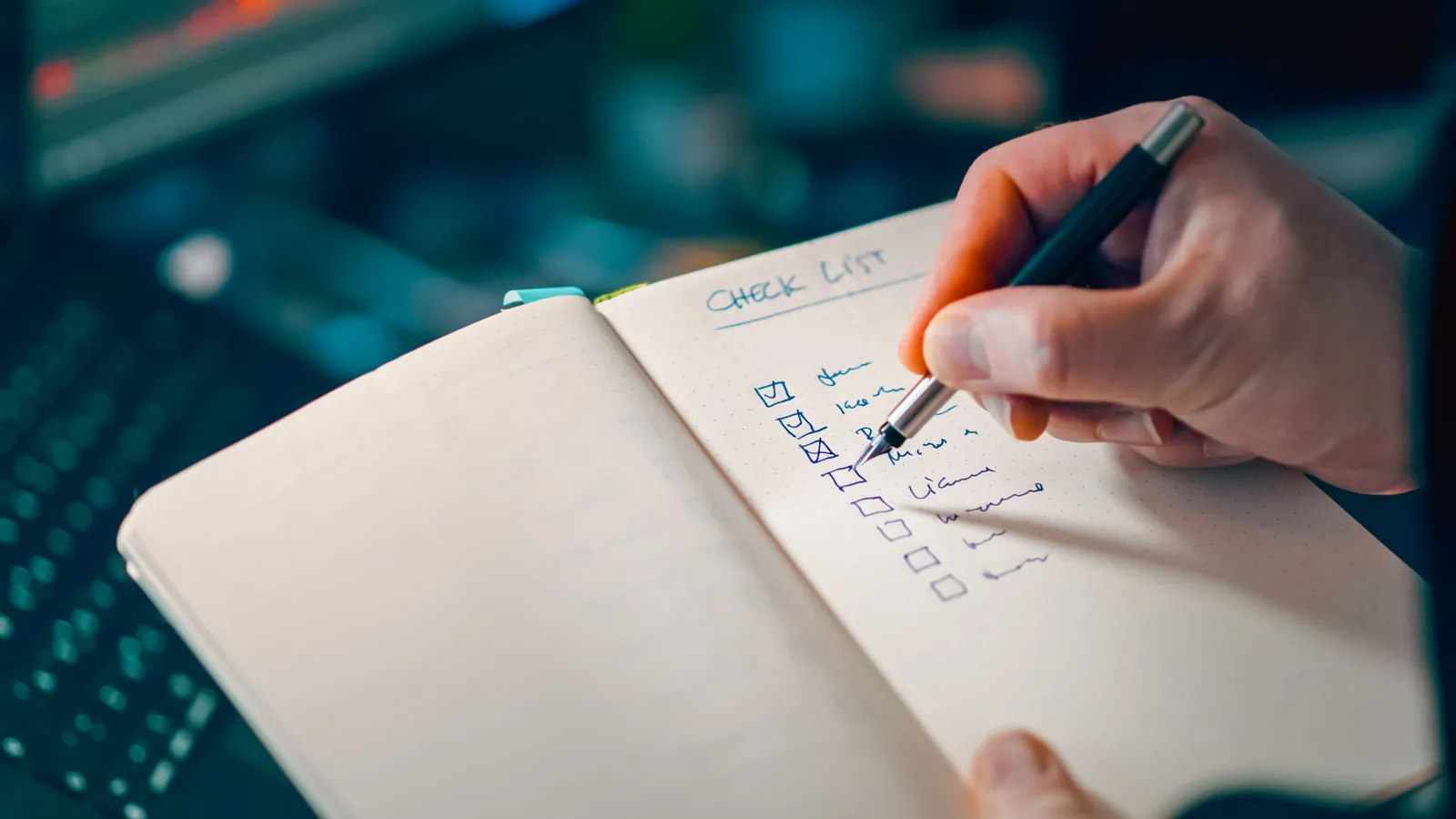
Great content can't rank if search engines can't crawl it. This technical SEO checklist covers the foundations every business website needs.
Crawling and indexing
- robots.txt allows important pages and doesn't block CSS or JavaScript.
- XML sitemap lists every public page and is submitted in Google Search Console.
- No accidental noindex tags on live pages.
- Each page has one canonical URL pointing to itself.
- Pages are reachable through normal links, not only via search or forms.
Site structure
- Clean, readable URLs like
/blog/website-costinstead of IDs. - Important pages within three clicks of the homepage.
- Internal links between related articles and services.
- Broken links and 404s fixed or redirected (301).
On-page technical basics
- Unique title tag and meta description per page.
- One clear H1 per page.
- Descriptive alt text on meaningful images.
- Structured data for your organisation and articles.
Experience and security
- HTTPS everywhere, with no mixed content.
- Mobile-friendly layout and good Core Web Vitals.
Server-rendered pages help
Pages that send real HTML from the server are easier for search engines and AI crawlers to read than pages built only in the browser. Many AI crawlers do not run JavaScript at all.
After launch
Monitor Google Search Console weekly for coverage errors, check the Page indexing report and re-test after big changes.
Summary
Technical SEO is housekeeping. Get it right once, check it regularly, and your content gets the chance to compete.